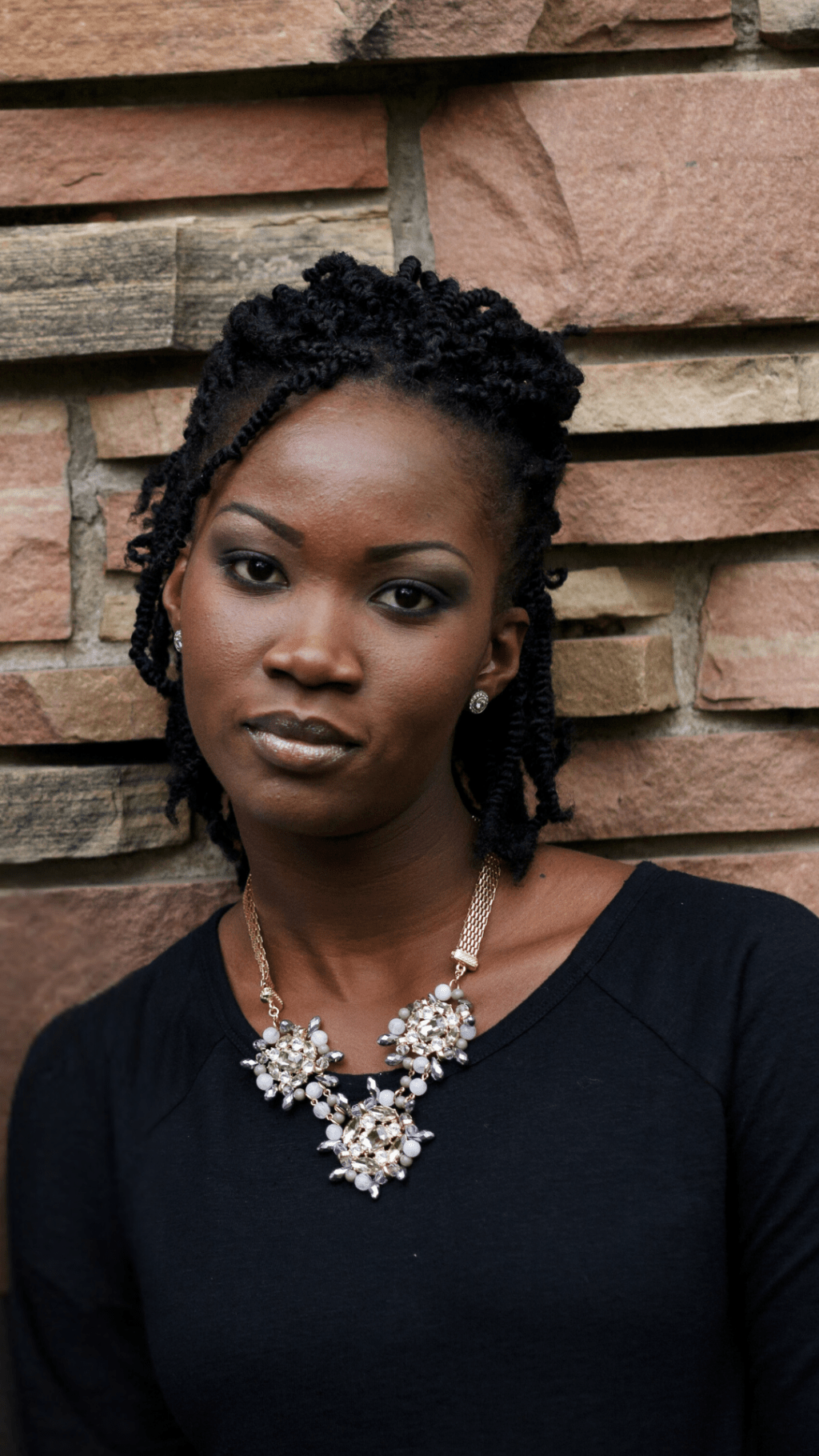
Many of us who grew up as the eldest daughter in our families can probably relate to this: you feel a unique kind of pressure. You’re suddenly expected to be responsible, to be the strong one, the one everyone relies on. It’s like you’re automatically assigned this role of caregiver, and sometimes it feels like your own needs just fall by the wayside. This is what some people call ‘Eldest Daughter Syndrome,’ and it can show up in a lot of ways – feeling like you always have to be perfect, constantly putting others first, and maybe even struggling to assert your own needs.
Meisha Pon, the youngest daughter, understands these challenges firsthand. Growing up, she felt a deep responsibility to care for her family, often putting her own needs aside. During her teenage years, her eldest sister lived in another country and was less involved in family life, leading her to inadvertently step into the role of the eldest daughter.
This experience highlights that even the youngest daughter—or someone who isn’t the eldest—can experience ‘Eldest Daughter Syndrome.’ This can happen when the actual eldest is absent or unwilling to take on the role, or due to parentification, where a child is expected to care for younger siblings. Additionally, if someone is perceived as more capable, nurturing, or responsible, they may be placed in a leadership or caregiving role. In some cases, family dynamics, such as the eldest sibling leaving home early, can also shift this responsibility onto the younger sibling.
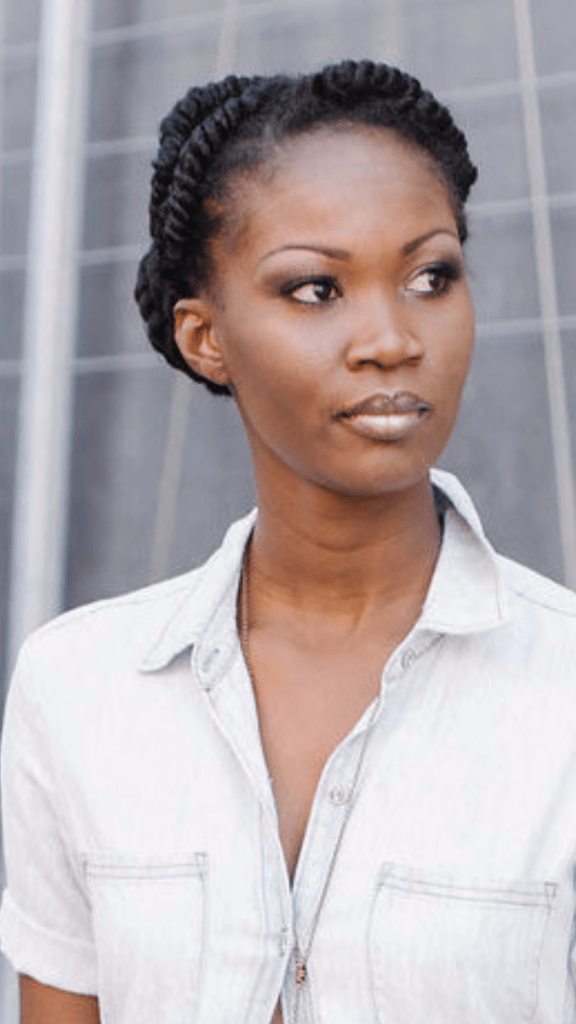
Early Influences and the Impact of Family Dynamics
“Growing up, my mom left when I was just three years old. My dad was around, but he wasn’t always physically present. He would often leave me with his friends or family members, and I often experienced life through their lens,” Meisha shares. “My dad was young and, honestly, didn’t handle relationships the best. He was very self-centered, and I feel like many of the people around me were jaded by their own experiences with him. This created a nuanced environment for me. I felt like I constantly had to anticipate and prepare for their reactions, be a shapeshifter of sorts rather than simply being myself. It made me feel like I didn’t belong, and had very few people who actually cared about me. Back then, I wasn’t comfortable expressing myself authentically because I didn’t have strong and consistent supportive figures around me who encouraged me to be myself.”
This early experience, combined with the later challenges of immigration and navigating a new cultural landscape, profoundly shaped Meisha’s journey of self discovery.
“My brother and I moved to the United States when I was about 13. It was a complete culture shock. I didn’t realize we were immigrating permanently. My mom and aunts kept it a secret, saying it was just a vacation. The hardest part was the abruptness of it all – I didn’t get a chance to say goodbye to the people who had become like family to me.
Then there was the added layer of navigating life as a Black person in a predominantly white society. I was in the Bronx, a melting pot in every sense of the word. My identity was constantly challenged. I had to question the things I thought were true about myself. It was a period of intense learning and unlearning.
When I started high school, it was then when I really started to feel the responsibility of caring for my mom,” Meisha explains. “She’s a very religious person, and I later learned church was her outlet. But sometimes, I felt like it wasn’t enough. I don’t think she always knew how to communicate her needs, but I somehow took on the role of being her emotional support. Somehow when she wasn’t OK, it became my responsibility to make things OK. I felt like she craved not just spiritual comfort, but also a physical connection and reassurance. So I became the one telling her, ‘Everything’s going to be okay. I’m here for you.’ I even got my first job at a sporting goods store to help out financially. It felt like she was drowning, and I needed to throw her a lifeline.
Looking back, I realize this sense of responsibility stemmed from my desire to see her happy. Even though she never explicitly asked me to do these things, seeing the positive impact it had on her made it easier for me to carry that burden than to face the alternative.
It felt like my role was to care for everyone else, almost to the point of neglecting my own needs,” Meisha shares. “There was this inherent pressure to be perfect, to be strong, and to put the welfare of the family above my own personal needs, even if it meant sacrificing my own well-being.”
This pattern of prioritizing others often extends into our adult relationships. We may find ourselves constantly giving, neglecting our own needs, and struggling to set healthy boundaries. Meisha herself experienced this, often finding herself in caretaking roles and struggling with feelings of abandonment and insecurity.
Navigating Identity and Finding Your Voice

“At what point did you realize, ‘Enough is enough. I need to set some boundaries’?”
“That shift really began during my college years at my beloved HBCU, Cheyney University. Being surrounded by such a diverse community of people with unique experiences was incredibly eye-opening. I started exploring concepts like identity and Black identity, and it really helped me to start figuring out who I wanted to be.
Through conversations with my peers, I began to realize that some of the things I’d accepted as “normal” weren’t actually healthy. I started to question the expectations placed upon me and recognize that I deserved better.
It wasn’t always easy. Sometimes it meant having difficult conversations, or even severing ties with people who weren’t supportive of my growth. But I learned that I didn’t have to tolerate situations that didn’t feel right.
This was the beginning of my journey towards self-discovery. I started to learn how to prioritize my own needs and learn to set boundaries. I realized that I deserved to know who I was, to walk in my own confidence, and to live a life free from the burdens of others’ expectations.
At what point did you realize that it was time to boundary up? Can you tell me about your first experience of setting boundaries or setting a boundary with your mom, and the reason why…
“You hit the nail on the head with ‘boundarying up.’ There’s this unconscious superiority complex at play. I had to learn that everyone, regardless of who they are, is human. We all put our pants on one leg at a time, just like me. It took me a while to grasp this and bring people down to my level, creating a more equal space for interaction. I’m still working on it, of course.
Now, onto my first boundary-setting experience. It involved my mom. We weren’t in a good place when I was pregnant with my daughter. Societal expectations piled on – “you only have one mom,” “honor thy mother and father, that your days may be long,” and so on. I knew all that, but her presence created a toxic environment that clashed with what I needed at the time.
So, I had to say something. I told her, “Honestly, none of that matters right now. This isn’t healthy for me. Mom, until we can work things out, I can’t have you around.” It was incredibly painful for both of us.
But I believe it was necessary, and I wouldn’t hesitate to do it again. That moment opened the door to more honest and vulnerable conversations between us. It showed her that I deeply value our relationship—and that being my mom couldn’t rest solely on a title. It required a willingness from both of us to grow and operate differently. I refused to fall into the trap many Caribbean kids face, where cultural expectations compel them to excuse harmful behavior from their parents. Words hold immense power, and the way we communicate shapes our relationships. It’s a two-way street—parental status doesn’t grant immunity from accountability. Yes, you brought me into the world, but that doesn’t give you the right to tear me down. And that’s exactly what was happening. I loved her, but I couldn’t remain in a space where I was being diminished.
That was a defining moment for setting boundaries. It was difficult because it challenged societal norms. But it was necessary for me to create the space for the kind of parent I wanted to be.”
Meisha’s journey is a powerful reminder that healing is an ongoing process. She adds, “One of the women you interviewed spoke about her experience of overcoming her trauma, but I don’t know if one truly ever ‘overcomes’ trauma,” Meisha reflects. Sometimes I go to my therapist and say, ‘Damn it! I’ve been talking about this for 10 years. Why am I still on this topic? When does this go away?’ It’s not something that goes away. It’s something we learn to integrate, to appropriately address. There’s always something new, something layered in the experiences that come up. It’s a continuous process of healing. So, even now, I still see themes of that in my adulthood. When these themes are present, I have to stop and have a little conversation with myself, like, ‘Girl, what are we doing?’ and talk through it with the language I have now to help me quiet that… not necessarily quiet the little girl in me, but let her know she’s okay.”
Creating a Space for Healing: MyCircle Retreats

Driven by a belief that we all deserve a fulfilling life, Meisha embarked on a journey to normalize self-discovery. She found solace in connecting with other women who understood her struggles. This led to the creation of MyCircle Retreats, a safe space for women over 40 to connect, heal, and grow.
“I created MyCircle Retreats with the idea of creating a space for anyone who realizes their cup is empty or their cup is half full,” Meisha explains. “And being in a multiethnic marriage – my partner is of European descent, and we have a multiethnic daughter – I have this nuance with the whole gender, ethnicity, and race thing. I can’t show up to this space solely focusing on women of color. I recognize that I’m living at the intersection of different worlds, and I believe that a big part of healing in this country is for us to be able to see those different perspectives and explore them together. That’s how we grow, learn, and build community.”
MyCircle Retreats offers a variety of programs, including self-guided activities, group wellness sessions, workshops, and retreats, fostering a supportive community for women on their journeys of self-discovery.
“Many women have shared that they feel seen, heard, and understood within this community,” Meisha says. “They appreciate the safe space to share their vulnerabilities, learn from each other, and receive support on their journeys of self-discovery.”
Reflecting on Your Own Journey
Meisha’s journey is a powerful reminder that healing is possible. By recognizing the impact of “Eldest Daughter Syndrome,” setting healthy boundaries, and connecting with a supportive community, we can break free from these patterns and live authentic, fulfilling lives.
Take a moment to reflect:
• Do you resonate with any of Meisha’s experiences?
• How have you navigated the challenges of “Eldest Daughter Syndrome” in your own life?
• What steps are you taking to prioritize your own well-being and cultivate self-care? Ready to embark on your own healing journey?
You can find Meisha on Instagram @ MyCircle Retreats to learn more about MyCircle Retreats and how to join this vibrant community.
Ready to embark on your own healing journey?
You can find Meisha on Instagram @ MyCircle Retreats to learn more about MyCircle Retreats and how to join this vibrant community.


Leave a Reply