
This morning, half-dressed and half-awake, I was talking with a friend about the shared misery of participating in capitalism before coffee. Somewhere between mascara and mutual complaints, I said it out loud:
“I’ll be glad when the Boomers are out of the power seat.”
And suddenly, I couldn’t stop thinking about it. Every major headache I’ve had at work? Boomers involved. Not all, obviously—but enough to notice a pattern. So I asked myself: what happens when the Boomer archetype finally clocks out? And more importantly—what are we manifesting in the meantime?
Because here’s the thing: We’re so busy manifesting Boomers out of their seats of power that we don’t entirely know what we might be manifesting into those seats. And what that will look like for our generation—and Gen-Z—remains an open, slightly terrifying question.
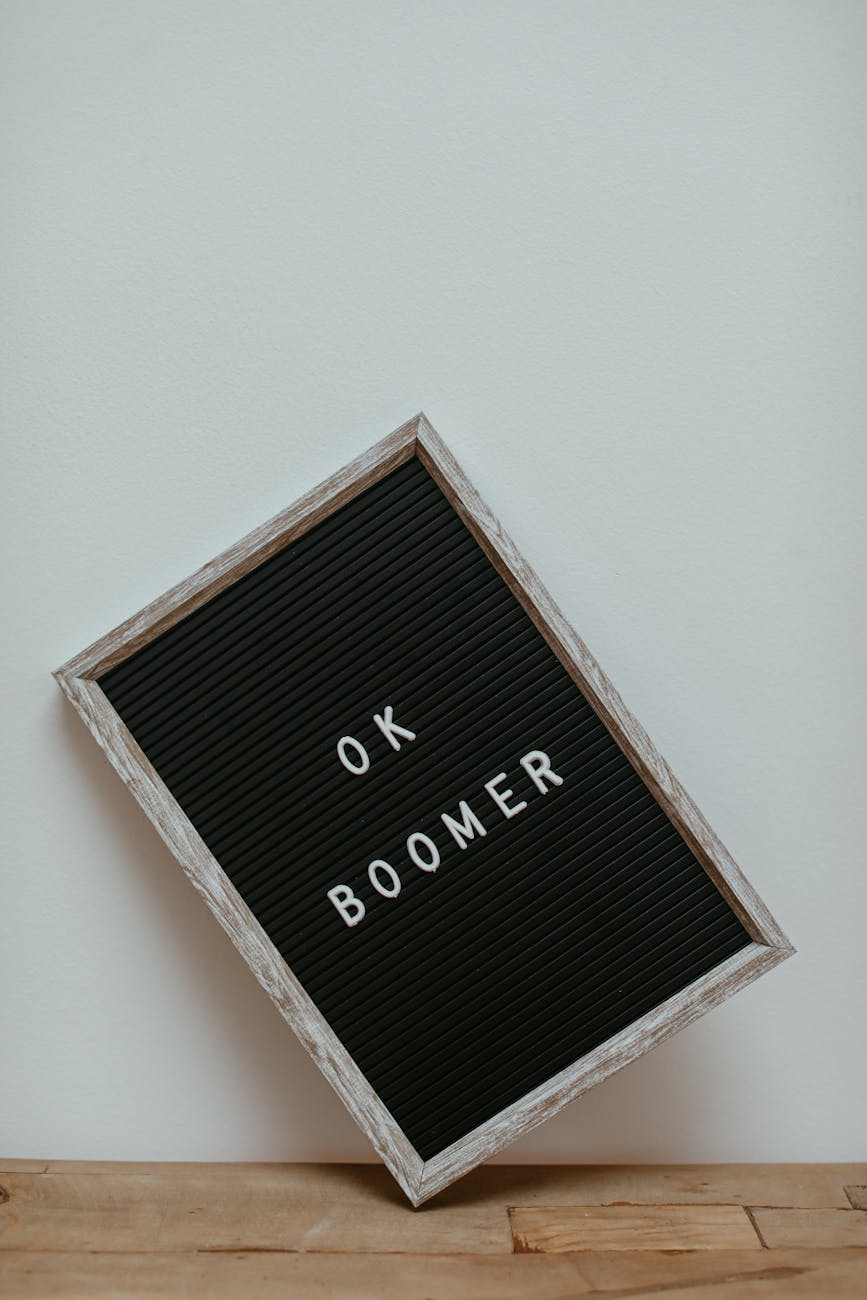
The Boomer Archetype: Pros, Cons, and Everything in Between
“Boomer” isn’t just a birth year. It’s a whole vibe. Loyalty, hard work, building infrastructure, following rules that mostly worked—these are the pros. Hierarchies, emotional rigidity, self-importance disguised as wisdom—the cons.
Millennials grew up inside this archetype like a house we couldn’t remodel. We absorbed what worked, rejected what didn’t, and now we’re the rebellious offspring: the questioners, the challengers, the explorers of new ways of being. Advocates for fairness. Boundary-setters. People who quietly—or not so quietly—say “no” to unnecessary suffering, whether in family or at work.
The collision between Boomer ideology and Millennial lived experience didn’t just fracture our parents’ houses—it fractured culture itself and has resulted in:
- Estranged family members
- Quiet quitting in workplaces that don’t reward loyalty or values.
- Opting for nostalgia over creating anything new.
- Rejecting rigid hierarchies and questioning authority at every turn.
- Delaying or avoiding traditional milestones like homeownership, marriage, or children.
- Embracing side hustles and gig work instead of climbing corporate ladders.
- Using humor, memes, and dark sarcasm to cope with systemic frustration.
- Prioritizing mental health, boundaries, and self-care over blind obedience.
- Advocating for social justice and systemic change, even in small, everyday acts.
And so here we are, standing in the middle of the tension they built, half-aware, half-prepared, wondering what comes next. The Boomer archetype handed us loyalty, rules, and infrastructure—but also rigidity, blind spots, and emotional shorthand that we’re still unpacking. Now it’s our turn to step into power, to question, to build, and to wonder—what are we really manifesting?
Because the truth is, while we’re busy flipping the tables, setting boundaries, and resisting the status quo, a whole new wave is rising: AI, automation, and a generation born digital. What world will we create for them—and for ourselves—once we finally sit in the seats they’re leaving behind?
Manifesting the Future: AI, Work, and Power
Remember that AI-generated Coca-Cola commercial? One ad. Hundreds of human jobs gone—designers, models, production, craft services, audio-visual crews, set designers, admin—all evaporated. And that’s just the tip of the iceberg. The modeling industry is already flirting with AI-generated humans. As glitches get fixed, AI models will become indistinguishable from real people. Thanks to all those “turn yourself into AI art” trends, we helped train it ourselves.
The novelty, it seems, will come from being a real, actual human.
And then there’s accountability: when AI-generated images become indistinguishable from humans, how long until someone blames their tweets, opinions, or unethical behavior on deepfakes?
Truth already feels slippery—AI threatens to dissolve it entirely.
The question isn’t just what AI can do—it’s what we choose to do with it. How do we wield these tools without repeating the mistakes of the past?
How do we build a society that values real human connection, creativity, and fairness, even as machines take on more of the work we used to define ourselves by?
Because whatever we manifest now will shape not just our generation, but the ones coming up behind us.
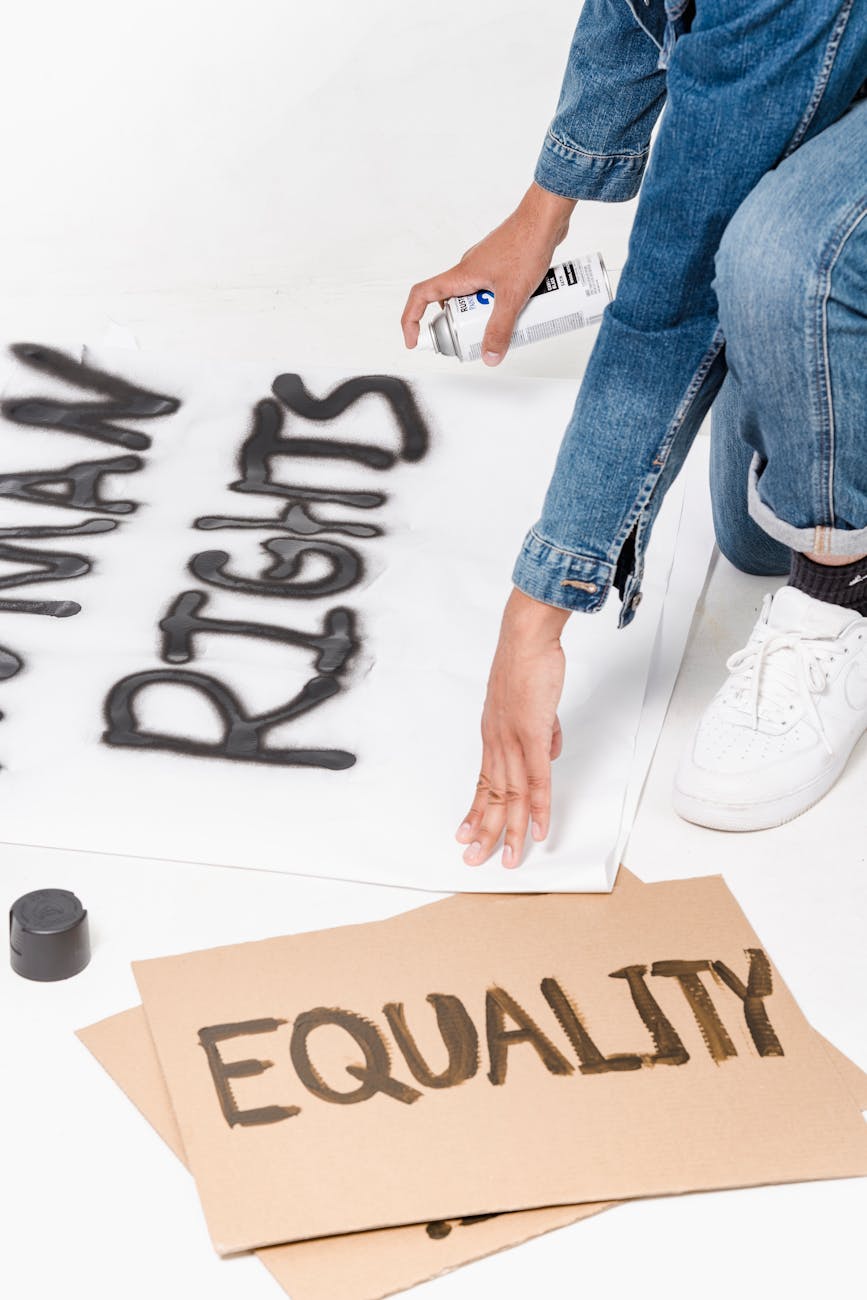
So What Are We Really Manifesting?
Here’s the question that keeps me up at night: as the Boomer archetype fades, what kind of world are we actively building?
- Efficiency or equity?
- Freedom or surveillance?
- Creativity—or replacement?
- Fairness—or convenience at someone else’s expense?
We’ve spent decades navigating the remnants of a world built by Boomers—learning what to embrace, what to reject, and what to quietly subvert—what happens when Millennials actually take the reins? What kind of world are we actively building, and how do we do it responsibly in a landscape shaped by AI, automation, and relentless technology?
We were the early adopters, the hybrid generation raised analog but forced digital, comfortable in both worlds. That gives us power—but also responsibility. How do we continue to leverage technology for efficiency, innovation, and creativity, while making sure there’s still room for work that can’t or won’t be automated?
How do we create a world where Gen-Z, who practically grew up as human software, can thrive without leaving behind those who struggle to keep pace or choose not to participate in the digital rush?
And more importantly, what does an inclusive, equitable, Millennial-led society actually look like? Will we be the generation that finally ushers in universal healthcare, universal schooling, or a universal basic income to bridge the gaps that AI and automation will inevitably create? Will we ensure that the benefits of progress are shared rather than hoarded, that innovation doesn’t come at the cost of human dignity, and that no one is left behind in our rush toward efficiency and technological mastery?
The Manifestation Question
We don’t get a blank slate. We inherit scaffolding, systems, mistakes, and lessons. And we get to decide: do we rebuild, reform, or radically reimagine? What kind of world are we looking to manifest once the old guard is gone?
Ask yourself: what will our legacy look like in the history books? Will we be remembered for cautious compromise—or bold, messy, necessary transformation?
So far, Millennials are going down in history as the Hot Cheeto dust encrusted, nostalgic, slightly burned-out generation with alcoholic tendencies, who endlessly scroll through memories of 90s cartoons and boy bands—and I just refuse to accept that as our entire claim to fame.


Leave a Reply