
This morning, I cried at my desk.
Not because anything happened—not in the traditional sense. A song just came on. “Radioactive” by Imagine Dragons. A song I used to love. A song my little brother used to scream-sing from the bathroom at 5 a.m. like it was his personal concert stage.
Back then, I’d groan, shove a pillow over my head, and mutter curses into my sheets. But today, when that song hit the shuffle out of nowhere, it hit me.
Three years since he died, and I still can’t listen without crumbling. Grief rewires the way music moves through the body. A single chord can become a ghost. A chorus, a trigger. A playlist, a portal.
I used to think skipping songs like that was self-care. But I’m starting to see that music isn’t just a mood—it’s memory. It’s spellwork. It’s a form of programming.
And if you’re not intentional about it, your playlist will trap you in loops you no longer want to live in.
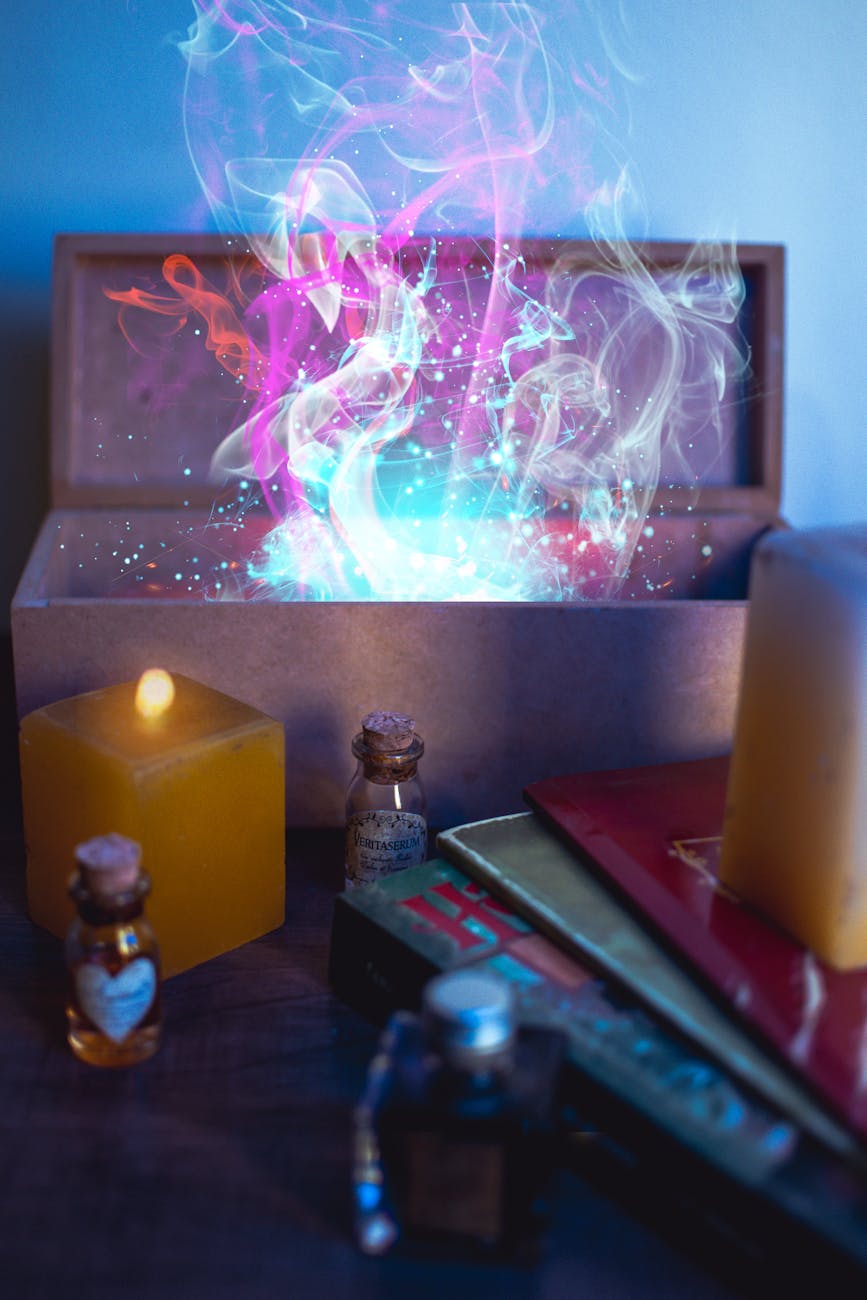
Music as a Spell: What Are You Casting?
Music is never neutral. It shapes how we feel, how we remember, how we respond, and even how we relate.
Sad songs don’t just express heartbreak—they reinforce it. Angry songs don’t just let off steam—they train your nervous system to stay on edge. And if all your favorite songs revolve around betrayal, loneliness, or men/women not being shit… don’t be surprised if your dating life mirrors the lyrics.
This is why I call playlists a form of spellwork. You’re casting a vibration with every verse. You’re telling your subconscious what to believe. And the scary part? You’re doing it on repeat.
Music embeds itself into your emotional body. It becomes a script for your inner dialogue.
Even if you’re just vibing, even if it’s “just a song”—you’re rehearsing a reality.
So the question becomes: Whose reality are you rehearsing?
How Eldest Daughters Learn Music as Memory
For me, music was never just entertainment. I was raised by a Black mother who wasn’t particularly nurturing. Her affection showed up in utility, not softness. I don’t remember lullabies. I remember instructions. Orders. Sunday mornings blaring gospel music at top volume while the whole house smelled like Pine-Sol and tired rage.
That was her form of worship. That was her magic.
It didn’t feel safe. It felt like pressure.
Even now, I flinch when certain songs come on—not because they’re bad, but because they carry weight. They’re heavy with expectation, shame, or memories of being responsible for everyone but myself.
That’s the thing about music: it doesn’t just remind you of people. It reminds you who you were forced to be around them.
Time to Reclaim the Playlist
If you’re an eldest daughter, chances are your emotional soundtrack isn’t even yours. It was chosen for you—by family, by religion, by survival, by trauma.
You might be stuck in loops of gospel that only ever meant guilt. Or sultry love songs that taught you longing was more important than self-worth. Or heartbreak anthems that keep reinforcing the idea that love hurts by default.
If you’re trying to call in healthier relationships, deeper healing, or just more peace—but you’re still singing about toxicity, betrayal, and walls up to the sky—then your playlist might be working against you.
So let’s fix that. Let’s rewrite the spell.

Eldest Daughter Sound Reprogramming Ritual
You’ll need:
- A playlist that brings up strong emotion
- A candle in a color that represents sovereignty (gold, blue, or white)
- A journal
- Headphones and quiet time
Step 1: Set the Intention
Light the candle and say:
“I call back my power from every memory tied to these songs. I release what no longer serves and invite in sound that heals.”
Step 2: Listen Through the Old Playlist
Don’t skip the songs that hurt—listen. Let the memories rise.
Notice how each song makes your body feel.
Step 3: Journal What Comes Up
Ask yourself:
- What does this song mean to me now?
- Who or what does it keep alive in my mind?
- Does it align with the version of me I’m becoming?
Step 4: Keep, Reassign, or Retire
- Keep songs that empower or truly uplift you
- Reassign songs that need new meaning—maybe that breakup song is now about breaking up with old identities
- Retire the ones that keep you stuck in pain or survival
Step 5: Seal the Spell
Say:
“I am the author of my emotional soundscape. The vibrations I carry are mine to choose.”
Blow out the candle.
Final Reflection: What Vibe Are You Living In?
Music is magic. It’s one of the oldest forms of spellcasting we have. And yet most of us walk around singing spells that were never ours, casting frequencies that bind us to heartbreak, bitterness, or low expectations.
It’s not just about taste—it’s about alignment.
If your favorite songs are all about being mistreated, abandoned, or suspicious of love, you might unknowingly be programming yourself to expect that in your real life.
You deserve a soundtrack that uplifts the version of you who is healing, growing, softening, and expanding.
So ask yourself:
- What emotional stories am I repeating through music?
- What version of myself am I feeding with these lyrics?
- Am I reinforcing heartbreak or making space for healing?
- What would a playlist of my future self sound like?
- Am I singing about the love I want—or the pain I’ve normalized?
You’re the witch at the aux cord now.
So spin the track with intention.


Leave a Reply