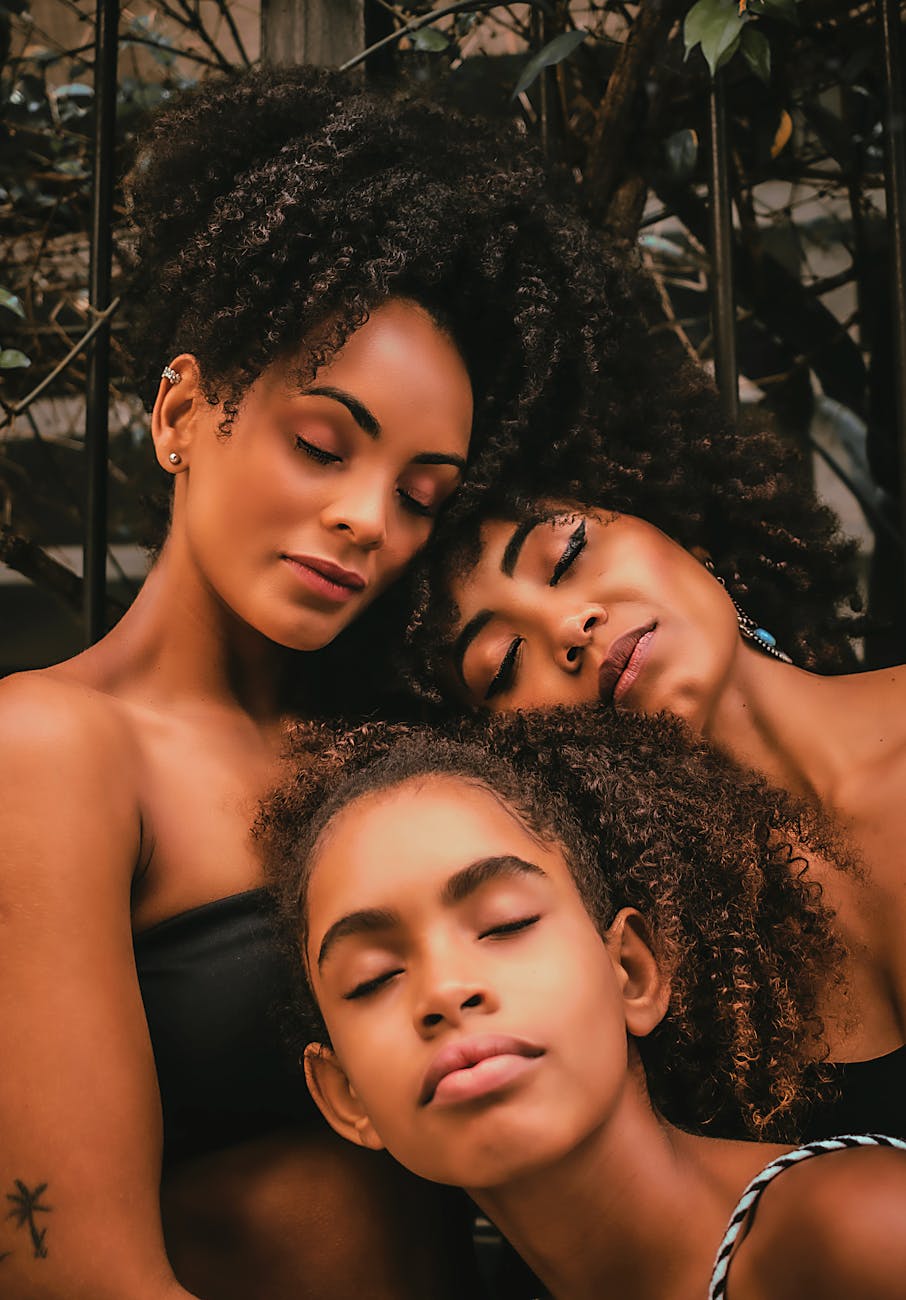
There’s a saying that goes, “Mothers raise their daughters and love their sons.” It’s a phrase often used to describe a pattern that plays out in many Black and immigrant households—daughters are prepared for survival, while sons are shielded from it. It’s not just about who does more chores or who gets more freedom. It’s about the way responsibility, expectation, and even love are distributed unevenly, shaping the adults we become. It’s about how daughters are often handed burdens while sons are handed excuses.
Growing up, I wasn’t just a child—I was a caretaker, a housekeeper, a stand-in parent. I was responsible for making sure the household functioned, while my brothers only had to exist. I cleaned, cooked, did laundry (including for the adults in the house), and served dinner to my family before eating whatever was left. If my brothers made a mess, I got in trouble for not cleaning it fast enough. If they struggled in school, I was scolded for not helping them more. Meanwhile, they were never held to the same expectations I was.
This isn’t just my story—it’s the story of countless eldest daughters. It’s the story of girls who grew up being told that their worth was in their usefulness, who were conditioned to anticipate and fulfill the needs of others while their brothers were taught that someone would always be there to take care of them.
The Invisible Labor of Daughters
In many families, eldest daughters are raised as second mothers. They wake up early to get their younger siblings ready for school. They cook meals, not as an occasional chore, but as an expectation. They learn to read the moods of the adults around them, adjusting their behavior to avoid conflict. Their time, their energy, their very existence is expected to revolve around the well-being of the family.
Meanwhile, their brothers are often raised with a different set of rules. Their mistakes are met with understanding. Their responsibilities are minimal. Their emotional needs are prioritized, while their sisters are told to “get over it” and “be strong.” The result? Daughters grow into exhausted, hyper-independent women who struggle to ask for help, while sons grow into men who don’t know how to carry their own weight.
The Consequences of Unequal Upbringing
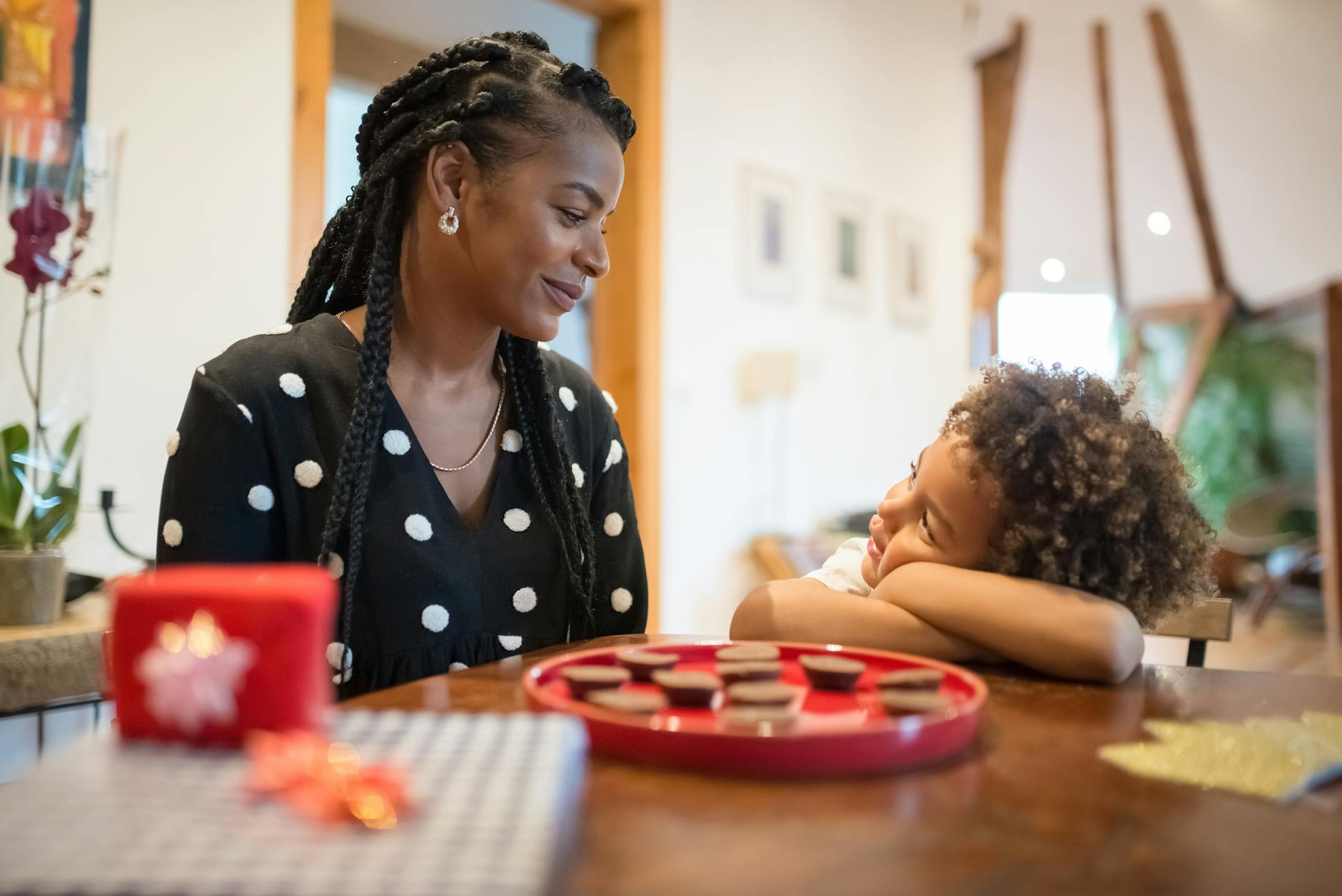
What happens when boys who were never expected to take care of themselves become men? They struggle. They find women who remind them of their mothers—strong, capable, and willing to carry the load. They seek relationships where they can remain comfortable, expecting their partners to handle the responsibilities they were never taught to manage.
And what happens to the daughters? They become the ones who always have to have it together. They struggle to rest without guilt. They find themselves in relationships where they’re expected to be the strong one, the responsible one, the fixer. Many burn out, realizing that they’ve spent their entire lives taking care of others while never truly being taken care of themselves.
How This Affects Romantic Relationships, Friendships, and Careers
In Romantic Relationships: Eldest daughters often take on the role of the caregiver in their relationships. They attract partners who subconsciously expect them to manage everything—emotions, household responsibilities, and even finances. The idea of receiving love without having to earn it feels foreign, and many struggle with allowing themselves to be vulnerable.
In Friendships: Many eldest daughters unknowingly become the “therapist friend.” They are the ones everyone turns to for advice, emotional support, and problem-solving. But when they need the same in return, they often find themselves alone, unsure how to ask for help or even if they’re allowed to.
At Work: The same dynamic plays out in professional settings. Eldest daughters are the ones who take on extra tasks without question, who anticipate the needs of their team, and who go above and beyond while receiving little recognition. They struggle with setting boundaries, often working themselves into exhaustion while watching their male colleagues do the bare minimum and still advance.
The Role of Mothers in This Cycle
It would be easy to paint mothers as villains in this story, but the truth is more complicated. Many of them were raised the same way. Many of them grew up with no choice but to be strong, and they pass that expectation down to their daughters, believing it’s the only way to survive. At the same time, they see their sons as needing protection—from the world, from responsibility, from struggle. In trying to keep them safe, they leave them unprepared.
But love without accountability is not love—it is enablement. And strength without rest is not strength—it is a slow unraveling.
Breaking the Cycle
So how do we stop this? It starts with awareness. If you’re an eldest daughter, you’ve likely been conditioned to believe that exhaustion is normal, that struggle is a sign of strength, that asking for help is a weakness. But it’s not. You deserve ease, care, and rest just as much as anyone else.
And if you’re raising children, ask yourself—are you preparing your daughters for survival while allowing your sons to remain dependent? Are you reinforcing the same patterns that exhausted you?
It’s Time to Reclaim Your Softness
You don’t have to carry it all alone anymore. If this post resonated with you, if you see yourself in these words and you’re ready to break free from the patterns that have shaped your life, I invite you to work with me, Coach Dee. Together, we’ll unravel these learned behaviors, shift your mindset, and help you embrace a softer, more fulfilling life—one where you are cared for just as much as you care for others.
Are you ready to start prioritizing yourself? Let’s talk. Click here to learn more about how I can help you reclaim your peace, your power, and your joy.
Join the Conversation
This is something so many of us have lived through, and it’s time to talk about it. Have you experienced this dynamic in your family? How has it shaped the way you move through the world? Let’s unpack this together in the comments.
It’s time for daughters to be more than just strong, and for sons to be more than just loved.


Leave a Reply