
It seems ironic that so many of us are struggling to form genuine, lasting friendships. Social media platforms are flooded with calls for deeper connections, yet a closer look reveals a concerning trend: the criteria for friendship has become impossibly high, often based on superficial standards.
We see women being excluded for not fitting a certain aesthetic, financial status, or even thought patterns. This, combined with the pervasive narrative in media that everyone is a “hater” with ulterior motives, makes the prospect of finding true friends, and building a lasting friendship, feel daunting. It’s as if we’ve traded an inclusive mindset for one where everyone must be perfect to earn a spot in our inner circle.
I believe that fostering and maintaining meaningful, lasting friendships boils down to three essential elements: empathy, tolerance, and openness. These qualities, while seemingly simple, have become increasingly rare in our current social climate, making the pursuit of friendship even more challenging.
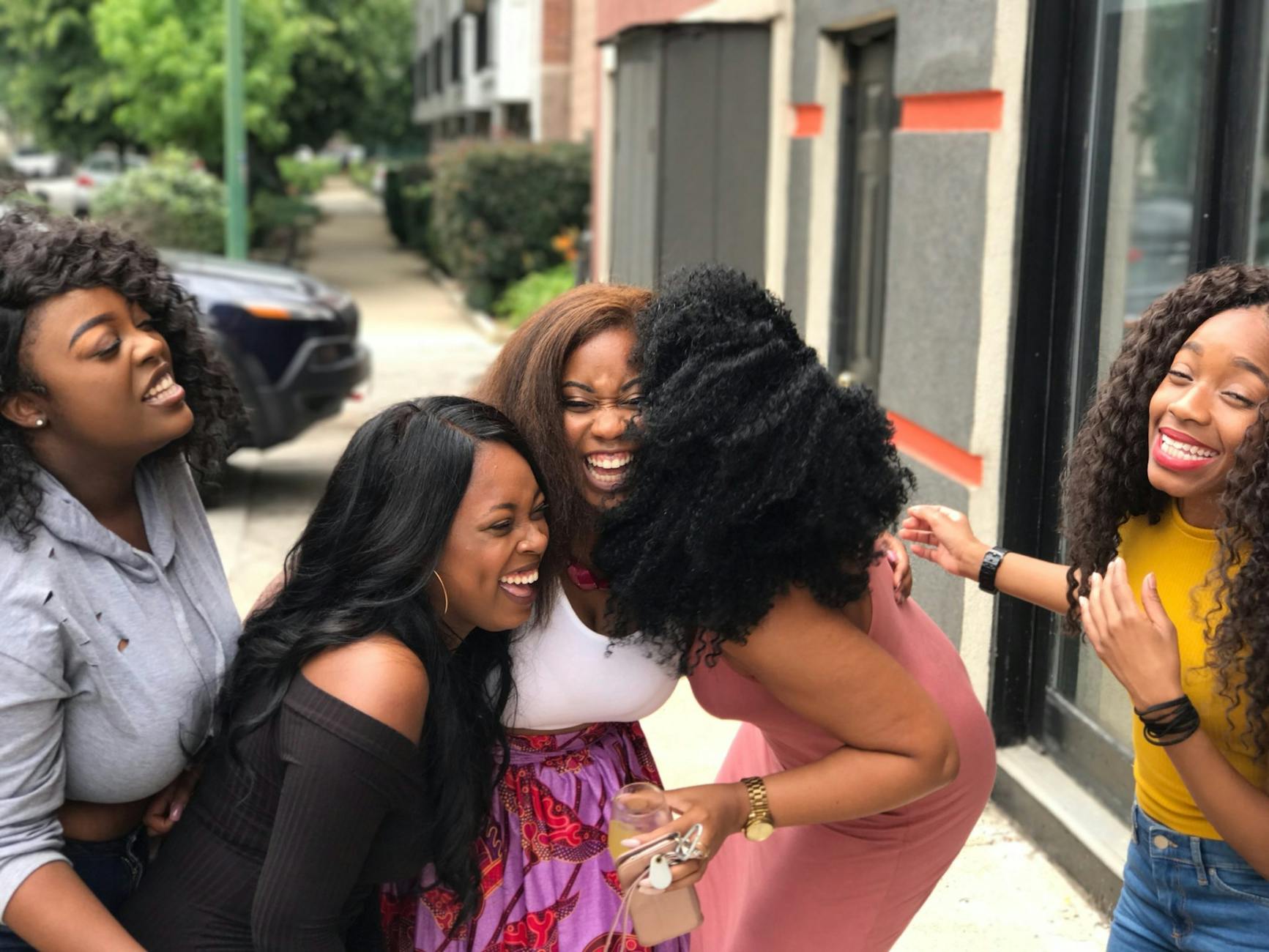
Empathy: Stepping into Another’s Shoes
Empathy is the cornerstone of any strong relationship, especially a lasting friendship. It’s the ability to understand and share the feelings of another, to see the world from their perspective. In a culture that often prioritizes individual achievement and self-promotion, empathy can feel like a lost art.
But without it, we risk judging others based on surface appearances and failing to appreciate the complexities of their experiences, hindering the development of a lasting friendship. Cultivating empathy requires conscious effort. It means actively listening, asking questions, and truly trying to understand where someone is coming from, even if you don’t agree with them.
Tolerance: Embracing Differences
We live in a diverse world, yet our social circles often reflect a desire for homogeneity. We gravitate towards people who look like us, think like us, and share our experiences. While comfort in familiarity is natural, it can also lead to a lack of tolerance for those who are different, making it difficult to form a lasting friendship with people outside of your normal circles.
Tolerance isn’t about condoning harmful behavior; it’s about accepting that people have different backgrounds, beliefs, and perspectives. It’s about recognizing that these differences can enrich our lives and offer us new ways of seeing the world. True friendship, especially a lasting friendship, thrives on acceptance, not conformity.
Openness: Breaking Down the Walls
Perhaps the biggest obstacle to forming genuine connections and lasting friendships is the pervasive fear of vulnerability. We’ve become so focused on setting boundaries – which are, of course, important – that we’ve inadvertently built walls around our hearts. We’ve been hurt, we’ve allowed things we shouldn’t have in the past, and instead of processing those experiences and understanding our own role, we’ve started using boundaries as a way to keep everyone out.
While healthy boundaries are essential, they shouldn’t become a shield that prevents us from forming meaningful, lasting friendships. Openness requires a willingness to be vulnerable, to share our authentic selves, and to trust that others will accept us, flaws and all. It means risking rejection for the possibility of connection.
It’s time to shift away from the unrealistic expectations and superficial criteria that have become the norm. By prioritizing empathy, tolerance, and openness, we can create a more inclusive and supportive environment where genuine connections can flourish, and lasting friendships can be built. It won’t always be easy, and it will require us to confront our own biases and insecurities. But the reward – the joy of true friendship – is more than worth the effort.


Leave a Reply