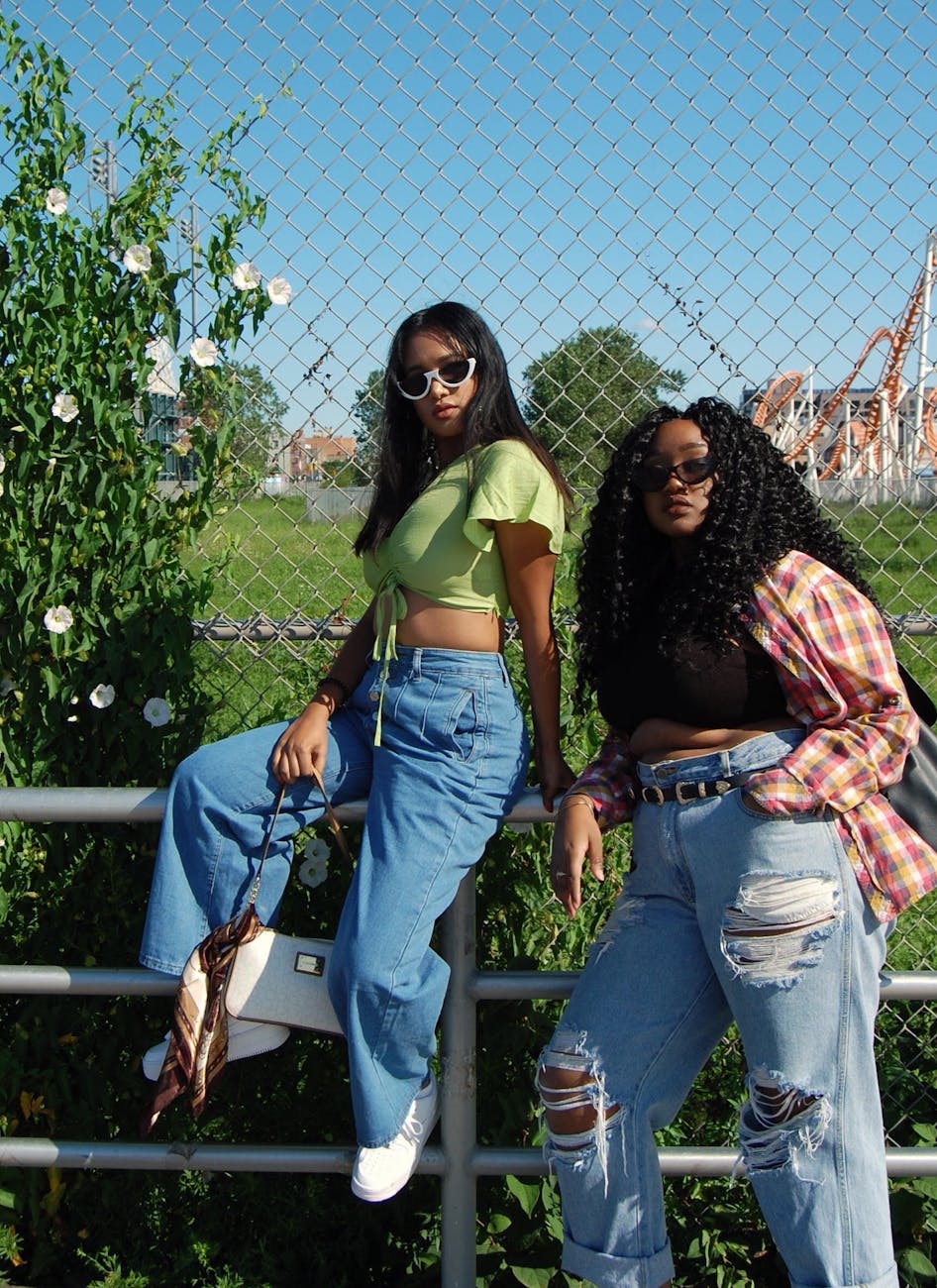
We keep saying it and we keep hearing it: “Black women gotta stick together.” It sounds simple, right? We all say that we want to be in community with each other. We participate in the trends like the Black Women follow train on social media collecting hundreds if not thousands of new followers and friends overnight. Yet, despite these outward displays of connection, something often feels…off.
Sure, you’ve got new followers, but they aren’t engaging. You’re hosting events and meet ups, but no one is showing up. Your numbers on social media reflect that you have found a community but you’re still feeling like you’re talking to yourself. So many people have posed the question as to why this is the case for us. Why doesn’t the desire to be a part of a thriving community translate into Black women being involved in and embraced by sisterhood and community?
From what I’ve been able to gather, there are a myriad of reasons why Black women are not engaging in and participating in communities more intimately. Things like past hurts – from personal betrayals to the systemic ones we face every day – have made us wary of opening up. The fear of encountering negativity within a community is real. The fear of being seen and judged. And let’s not forget the simple overwhelm of not knowing where to even begin the search for a supportive sisterhood.
While building or joining a community can seem overwhelming and impossible given the material that we have to work with these days, I am here to assure you that building and being a part of a community is a lot easier than we may think. That is, if we’re willing to do some self-reflection, take some accountability, commit to being the friend we want to have, and take a leap of faith.
Below, I’ll get into some thoughts that I have and reasons that I’ve seen for why Black women may be struggling to find and join communities and some ways to help move us towards our tribes.
Are you ready?
Let’s get started!
Why a Sisterhood & Community is Essential:

Sometimes the only people who truly understand what we’re going through are other Black women. We’ve shared similar experiences, faced similar challenges, and navigated a world that often doesn’t see us. Having that space to share our stories, both the triumphs and the struggles, to vent, and to simply feel seen is priceless. It’s validation, it’s relief, and it’s a reminder that we’re not alone.
Imagine what we could achieve if we truly leaned on each other. Our voices would be amplified, our impact multiplied. Imagine a world where Black women are consistently uplifted, supported, and celebrated. Imagine us challenging systemic racism, breaking down barriers, and creating a more just and equitable society. This isn’t just a dream – it’s within our reach when we harness the power of collective action.
Life throws us all curveballs. Job losses, relationship challenges, health issues – we all face them. Having that support system – people to celebrate with during the highs, to lean on during the lows, and to offer a shoulder to cry on when needed – makes all the difference. It reduces stress, boosts our mood, and reminds us that we’re not alone in this journey.
Sharing our stories, both the good and the bad, allows us to process our experiences, learn from each other’s wisdom, and grow as individuals. We can offer each other guidance, support, and accountability, helping each other reach our full potential. This isn’t just about friendship; it’s about creating a space for healing, growth, and transformation.
So What’s Really Stopping us from Building and Being in Community with Each Other?
In my opinion, the number one thing making it hard for us to be in community with each other is us.
Here’s the thing: many of the obstacles we face are self-imposed. Our fear of being seen or judged can lead us to walk into spaces armored up, anticipating negativity from the “mean girls,” which has us moving in spaces with a chip on our shoulders, guarded, and looking for any possible sign that affirms our own feelings of not being wanted, valued, or welcomed. And if we can’t find anything, our own insecurities and fears will often manufacture those signs.
This cycle of fear and self-doubt is, in my opinion, significantly influenced by the reality TV culture that we’re constantly bombarded with. These shows often portray women, especially Black women, engaging in toxic behaviors – catfights, backstabbing, and constant competition. If art imitates life, then it’s no wonder that after years of watching these scripted dramas, our perceptions of what sisterhood and friendship look like have been negatively impacted.
It’s disheartening to see how these scripted narratives have permeated our culture, shaping our expectations and influencing our interactions. You only need to watch a few episodes of any reality show to see women go from friendly and inviting to talking trash about each other, throwing drinks, and hating on each other. It’s a problem. These shows often create a toxic environment where women are judged based on their appearance, their wealth, and their social media presence. It reinforces the idea that if you don’t fit a certain mold, you’re not worthy of belonging.
This has, in my opinion, created a culture where we equate true friendship with aesthetics, personal appearance, and what we can do for each other. This is a distorted view of sisterhood. Add to this all the stories we hear about fake friends rallying together to cause harm to one of their own, and it’s no wonder that we are so skeptical and closed off to even the idea of joining a community and sisterhood.
As if we don’t have enough to contend with as Black women, facing daily challenges like microaggressions, societal expectations that often undervalue us, and the constant pressure to be strong, perfect, and everything to everyone. We’re constantly marketed to and told that we can’t even trust or rely on our sisters at the end of the day.
It’s exhausting and disheartening. But I’m here to challenge those notions. I truly believe that despite the narrative that reality TV is pushing on us, and the fears and distrust that it has sown between us, we can be in community with each other if we simply take some time for self-reflection and commit to showing up in spaces the way we want to be received.
With my personal opinions about how we got to this place out of the way, let’s explore some ways that we can do the work on ourselves in order to be able to show up in communities in a way that feels authentic and genuine. Let’s start by addressing the fear of being seen and judged.
Addressing The Fear of Being Seen & The Fear Of Judgement
Before we even step into a community space, our own internal narratives can create a self-fulfilling prophecy of judgment. We all have that inner voice that sometimes whispers (or shouts) negative thoughts. It might tell us we’re not good enough, not interesting enough, or that we don’t belong. This inner critic can magnify our anxieties about being seen, making us hesitant to fully participate.
We may fear that we won’t “fit in” with a particular group, that our personalities or experiences won’t be accepted. This fear can stem from past experiences of exclusion, both personal and systemic. We’ve all experienced the sting of rejection, whether it’s from a friend group, a social setting, or the systemic biases that permeate our daily lives – from the workplace to the justice system. These experiences can leave us feeling wary of opening up and being vulnerable.
But here’s the thing: Often, our fear of judgment is more about our own internal narratives than the reality of the situation. We project our own insecurities and judgments onto others. We might assume others are judging our appearance, our opinions, or our social skills. However, it’s important to remember that these assumptions are often based on our own internal narratives and may not reflect reality.
To better understand the root of these fears, ask yourself:
- Am I truly being judged, or am I projecting my own insecurities onto others?
- What specific evidence do I have that I am being judged?
- How might my past experiences be influencing my perceptions of this situation?
- Am I allowing my inner critic to dictate my thoughts and feelings?
Breaking Free from the Illusion:
It’s crucial to treat yourself with the same kindness and understanding that you would offer a friend. This self-compassion can work wonders in helping you address these fears in a constructive way.
Remember, those negative thoughts aren’t always based on reality. They can often be projections of our own insecurities. Mindfulness practices can help you become more aware of these thoughts and feelings, allowing you to identify and challenge negative thought patterns. Instead of dwelling on potential judgment, shift your focus to the desire to connect with others.
By becoming more aware of our own internal judgments and challenging these limiting beliefs, we can create a more positive and welcoming experience for ourselves within community spaces. We can learn to embrace our authentic selves and step into these spaces with confidence, knowing that our unique perspectives and experiences have value.
Now that we’ve covered the fear of being seen and judged, let’s get into those “mean girl” experiences and figure out how we can navigate them in a way that makes room for us to join more communities without fear.
Navigating “Mean Girl” Tendencies: Creating a Culture of Support in your Community
It’s important to acknowledge that “mean girl” tendencies, while not universal, can unfortunately exist within some communities. Competitive behaviors, passive-aggressive comments, cliques, and subtle forms of exclusion can create a less than welcoming environment. These behaviors, often rooted in insecurity and a need for control, can manifest in various ways, from subtle snubs and backhanded compliments to more overt acts of exclusion and sabotage.
If you’re building a community or have been accused of being a mean girl, I’ve listed a few self-reflection prompts to help you fine tune your community to ensure that everyone feels welcomed in your space.
Self-Reflection:
- Are we unintentionally excluding others? Do we make assumptions about others based on their appearance, background, or interests? Are we creating an “us vs. them” mentality within the group?
- Do we compare ourselves to others in a way that fosters feelings of inadequacy? Do we engage in subtle forms of competition or one-upmanship within the group?
- Do we gossip or engage in passive-aggressive behavior? Are we truly listening to others, or are we waiting for our turn to speak? Are we expressing our opinions in a respectful and constructive manner?
- Are we mindful of our own insecurities and how they might be influencing our interactions? Are we projecting our own fears and anxieties onto others?
Mindful Communication:
- Are we truly listening to others, or are we waiting for our turn to speak? Active listening involves truly paying attention to what others are saying, asking clarifying questions, and offering genuine empathy.
- Are we expressing our opinions in a respectful and constructive manner? Can we disagree respectfully, while still valuing the perspectives of others?
- Are we mindful of our tone and body language? Do our words and actions convey kindness, respect, and inclusivity?
Focusing on Shared Values:
- Shifting our focus from competition to shared values and goals can help foster a more supportive and inclusive environment. What unites us as a community? What are our common goals and aspirations?
- Celebrating each other’s successes can create a positive and uplifting atmosphere within the group.
Addressing “Mean Girl” Behavior Directly:
If you witness or experience “mean girl” behavior, address it directly and honestly (but respectfully) with the individual involved.
- Focus on “I” statements: For example, instead of saying “You always interrupt me,” try saying “I feel interrupted when…”
- Community Guidelines: Many communities establish clear guidelines for respectful communication and behavior. These guidelines can help to address and prevent “mean girl” tendencies within the group.
- Leading by Example: By modeling respectful and supportive behavior, we can encourage others to do the same.
While mean girls do exist and can be found in almost any space it’s also important to recognize that not everyone is a “mean girl.” Many women who may initially seem intimidating are simply navigating their own insecurities. That’s why it’s important to approach these situations with empathy and understanding, recognizing that we all have room for growth and improvement.
We all have room for growth. We can all learn to communicate more effectively and cultivate a more supportive and inclusive environment within our communities.
If we’re all good on navigating situations with mean girls, let’s tackle those fears that you may have about joining a community.
Finding Your Community:
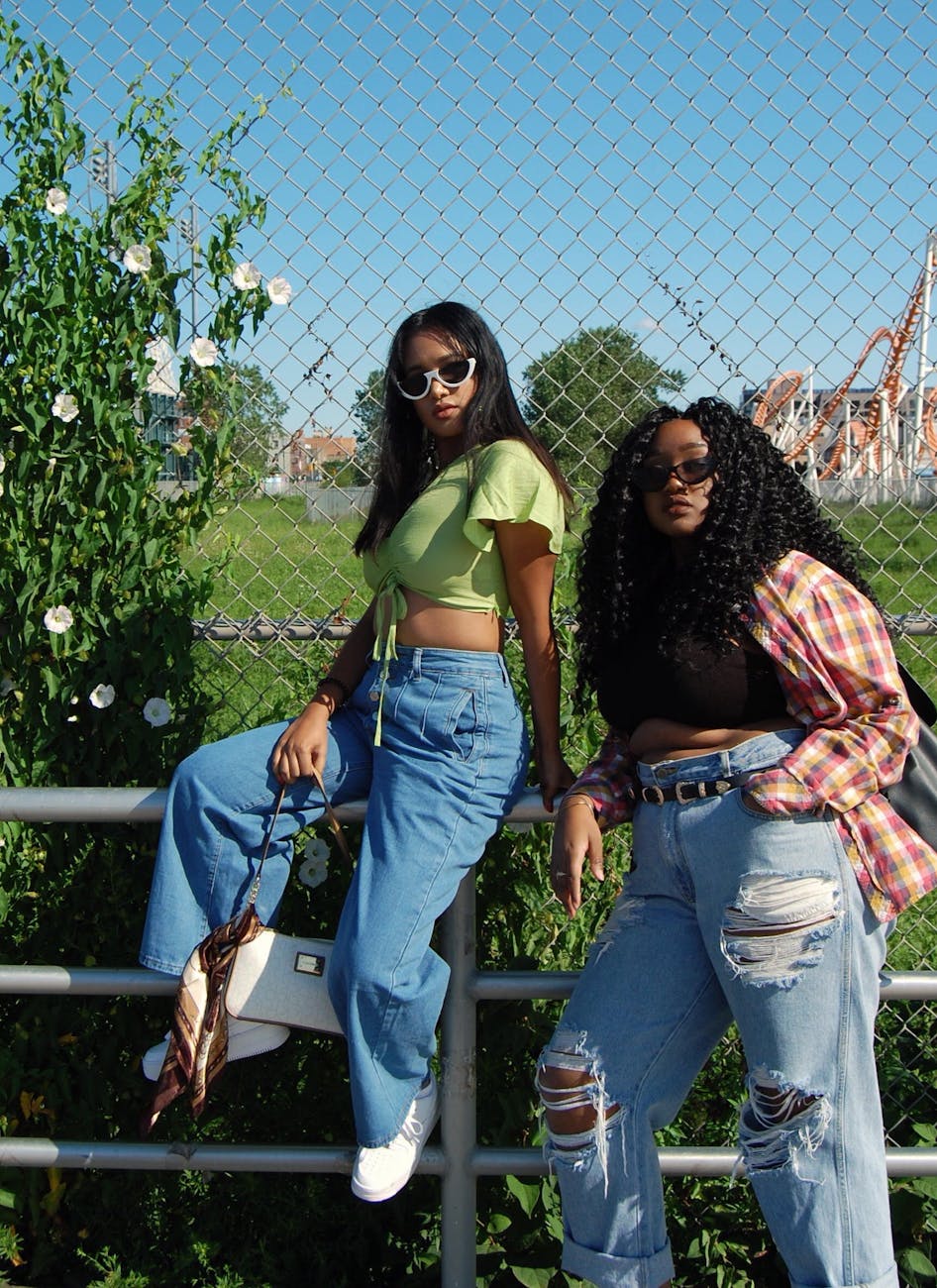
So, how do we actually find these amazing communities? Well, it’s time to get out there! Think about your passions. Are you a bookworm? Join a book club! Love sports? Find a local league. Passionate about social justice? Volunteer at a local organization. The possibilities are endless!
Attend local events, festivals, and workshops. You never know who you might meet! And let’s not forget the power of the internet! Explore online communities, social media groups, and forums. You might be surprised at the amazing connections you can make online.
Building genuine connections takes time and effort. Don’t worry if it doesn’t happen overnight. Start small. Begin with simple interactions – share an observation, ask a question, offer a compliment. Gradually increase your vulnerability as you feel comfortable. And remember, sometimes the most valuable contribution you can make is to truly listen to the experiences of others.
Important Note: There’s no one-size-fits-all approach to community. It’s okay to explore different groups until you find the right fit. Most importantly, prioritize your well-being and set boundaries that protect your peace.
Final Thoughts:
Look, building a strong sisterhood takes effort. It requires us to be intentional, to challenge our own biases, and to cultivate genuine connections. We have to be willing to step outside our comfort zones, to show up as our authentic selves, even if it feels a little vulnerable. We might stumble, we might feel a little awkward at first, but that’s okay.
Let’s face it, society, social media, reality tv, and even our own past experiences can sometimes make us doubt the power of sisterhood. But we have the power to change that narrative. We can choose to uplift, support, and celebrate each other. We can choose to build a community where we feel seen, heard, and valued. We can choose to break down the barriers that keep us apart and create a sisterhood that empowers us to thrive.
So, I encourage you to take that first step. Explore your interests, attend local events, and reach out to other Black women. You might be surprised at the amazing connections you make. Remember, you deserve to surround yourself with women who uplift, inspire, and empower you. Now go out there and find your tribe!
Now, let’s hear from you! What are some of the biggest challenges you’ve faced when trying to connect with other Black women? What advice would you give to someone who’s just starting their community-building journey?


Leave a Reply