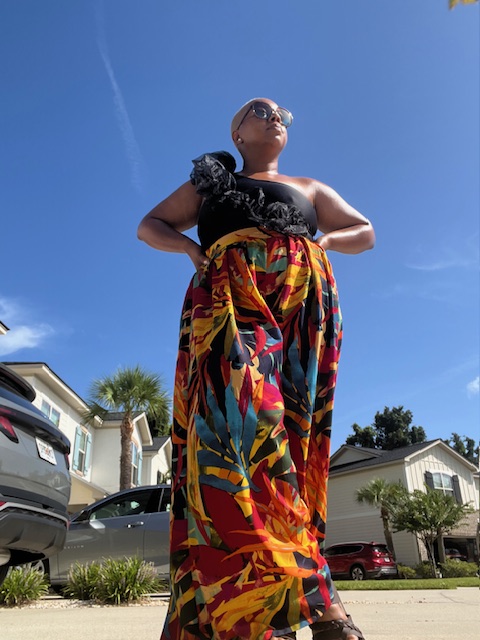
A Conversation with Jae Lux: A Visionary for Black Women’s Wellness
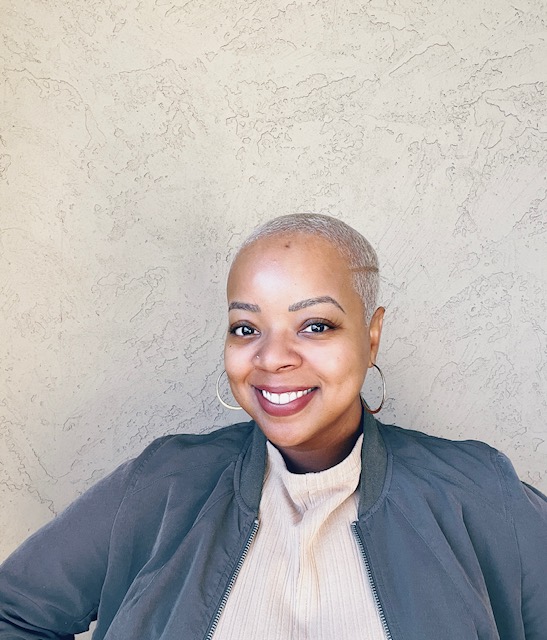
In this insightful interview, we delve deep into the world of wellness and empowerment with Jae Lux, a passionate advocate for Black women’s healing and liberation. A 2-time HBCU graduate, Jae holds a Master’s degree in Africana Women’s Studies, providing her with a deep understanding of the unique challenges faced by Black women.
Through her work as a liberation and wellness coach and yoga instructor, Jae empowers Black women to reclaim their bodies, minds, and spirits. Her research delves into the impact of trauma, particularly sexual violence, on Black women’s relationships with themselves. By integrating somatic movement and intergenerational trauma theories, Jae guides her clients in building sustainable self-care practices that nurture their mind-body-soul connection.
Join us as we explore Jae’s journey, her insights on healing, and her vision for a future where Black women thrive.
Thank you for joining us, Jae. Your work is truly inspiring. What motivated you to dedicate your life to helping Black women heal and thrive? Can you share a specific moment or experience that ignited your passion?
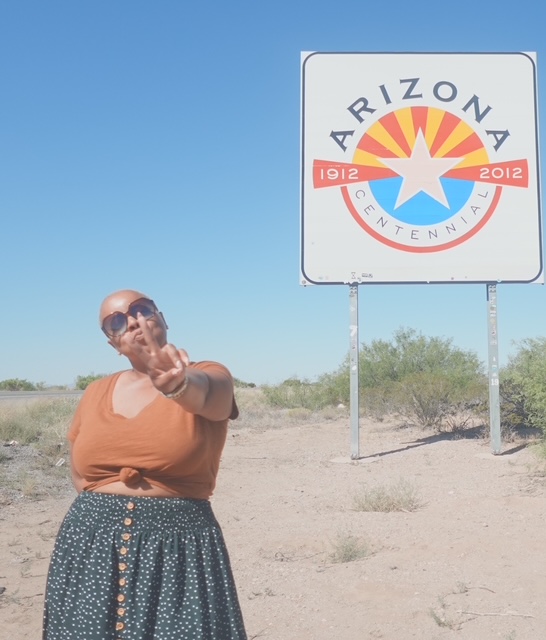
“My move to Phoenix was a turning point. It was a spiritual journey, a calling to a new chapter. What many do not know is that I first came to visit Phoenix during my spring break in 2021. I arrived on April 4th, which is my grandmother’s birthday. She transitioned years prior, but we were really close, and I’m blessed to have gained a guardian angel. During my visit in 2021, I went to the Grand Canyon.
I left Phoenix around 4:30 am or so and was driving through the mountains during sunrise. I’ll never forget, I was playing “I Hope You Dance” by Lee Ann Womack on repeat, and I just cried at the beauty because it was the closest I’d ever felt to God. Fast forward to December 2022, and I was moving through/dealing with the aftermath of a traumatic experience and was in my car listening to that same song after praying and asking my grandmother for guidance when suddenly I just felt the word “Phoenix” in my spirit. Like a quiet calm, a knowing just moved through my being, and it was clear that I was meant to be in Phoenix for my next chapter.
Last year, as a teacher in the public school system, I was constantly pushing myself to the brink. Every break, I’d find myself battling illness and exhaustion. It was a clear sign that I needed to prioritize my well-being. This realization, coupled with a desire for a more fulfilling career path, led me to take the leap of faith and commit to my move to Phoenix and pursue my passion for helping others. I started planning and making preparations for my move shortly after.
I’ve always had a passion for education, but I realized that I needed to find a more impactful way to help others. I wanted to create a space where Black women could heal, grow, and thrive. My personal experiences, coupled with my academic background in Africana Women’s Studies, gave me the tools and knowledge to do just that.”
Your master’s degree in Africana Women’s Studies has undoubtedly shaped your understanding of the unique challenges faced by Black women. As the eldest daughter, you’ve likely experienced firsthand the pressures and expectations often placed on women, particularly Black women. How did your personal experiences, combined with your academic studies, influence your decision to pursue this field and your subsequent work as a wellness coach?
“My MA in Africana Women’s Studies provided crucial context and perspective. It challenged the common misconception that Black women’s struggles are solely due to personal choices. Instead, it revealed the systemic oppression and domination that shape our lives, both historically and in the present day.
My journey into Africana Women’s Studies wasn’t a deliberate choice at first. While studying English Literature and Women’s Studies at an HBCU, I was drawn to the profound impact of Black women’s perspectives. Reading Beloved in both high school and college, with different instructors, illuminated the unique lens Black women bring to literary analysis. I realized the need for a dedicated space to explore our experiences, beyond the intersection of African American Studies and Women’s Studies.
Many academic disciplines overlook or marginalize Black women’s experiences. Africana Women’s Studies is unique in its dedication to centering our voices and stories. It’s a space for us, by us. This transformative experience ignited a passion to connect historical events to contemporary challenges, exposing the often-overlooked patterns of systemic racism.
As an eldest daughter, I was raised to be strong, independent, and nurturing. However, I also witnessed the toll that these expectations can take on Black women, particularly in terms of their mental and emotional health. My academic studies in Africana Women’s Studies further illuminated the systemic barriers and cultural biases that contribute to these challenges.
Upon learning about the layered challenges Black women face, I felt I had a responsibility to challenge the limitations imposed on them due to their race and gender. Once I began to understand more about the systemic issues that impacted Black women beyond individual circumstances, my aim to become an advocate for Black women’s empowerment and liberation was solidified.
It also made me passionate about addressing the specific needs of Black women, particularly those who have experienced sexual trauma. I believe that by providing a safe and supportive space, we can help women overcome these challenges and build resilient, fulfilling lives.
I realize that many Black women, including myself, struggle with the impact of historical and intergenerational trauma. This trauma can manifest in various ways, such as low self-esteem, unhealthy relationships, and difficulty setting boundaries. Through my coaching practice, I aim to help women heal from these wounds and cultivate a deeper sense of self-love and empowerment.”
In your practice, I see that you incorporate yoga and mindfulness practices to help support women on their healing journeys. Can you share how yoga and mindfulness practices can be specifically beneficial for Black women, especially in addressing the impact of trauma?
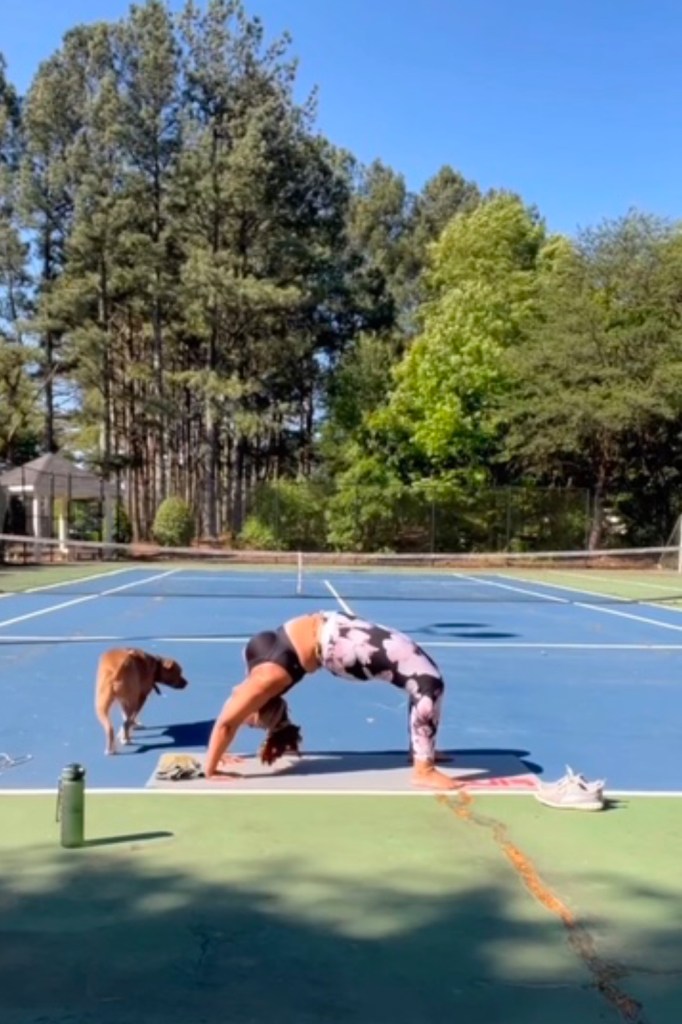
“Trauma’s impact is multidimensional. When left untreated or unaddressed, it is internalized and can eventually manifest as disease in the body. Trauma survivors often live in a constant state of fear or apprehension, which means their muscles are habitually tense. This can result in chronic pain and/or autoimmune disorders.
Trauma survivors can also lack body awareness. Dissociation (the separation of mind from body) is another consequence of trauma. There are aspects of yoga that can be practiced to address these aftereffects of trauma.
For instance, Pranayama breathing techniques facilitate relaxation, which naturally alleviates tension in the body. Restorative yoga encourages relaxation by combining deep breathing and tranquil poses that are held for extended periods of time with the assistance of body pillows and bolsters.
Vinyasa yoga (the form most common in workout classes such as hot yoga or power yoga) focuses on the concept of “yoga flow,” basically moving the body in conjunction with the breath. This practice can help you be fully present in the body. Presence in the body can help those who exist in a constant state of dissociation or disconnection sink back into the body and gain a deeper awareness. Physical cues from a good teacher can help with this too.
Yoga focuses on bringing harmony between mind and body. The word yoga literally means “to yoke” or “to unite.” Yoga is much more than the asanas, or poses, that come to mind. Yoga, for me, is moving meditation, which is great because I haven’t yet mastered more traditional forms of meditation, such as sitting in complete stillness and silence for a period of time.
Mindfulness practices can help in similar ways. Trauma frequently prevents our ability to BE in the present. Ruminating on past experiences, reliving experiences, and/or constantly worrying and stressing about the future are common. Stress, as we know, is a silent killer. Mindfulness practices help us reduce anxiety and depression, gain mental clarity, improve sleep, boost the immune system, etc.”
You also mention using somatic movement as a part of your practice. What is somatic movement, and how does it help individuals, particularly Black women, heal from trauma and reconnect with their bodies?
“Simply put, somatic movement is movement in which you focus on how it feels internally instead of what it looks like externally. Yoga, by definition, is somatic because of the integral focus on the mind-body connection.
But for another example, let’s take a dancer. A routine she may perform wouldn’t be considered somatic because the focus is on how it looks, externally. But if that same dancer is in her studio alone, dancing unchoreographed to music that simply moves her, then she is engaged in somatic movement; she’s dancing because of how it makes her feel, internally.
As Black women, we are commodified and compartmentalized. We’re also inherently aware of eyes on us, usually from too young an age. It can lead to internalized shame, dissociation, body dysmorphia, and ultimately a lack of autonomy and ownership of our bodies.
Developing a practice rooted in moving your body in ways that feel good can be essential in reversing and combating some of the aforementioned impacts. It also can help you learn your body and nurture a loving relationship with it. Think about how many Black women hate their bodies.
Knowing your body and having a positive, loving relationship with it is a game-changer on so many levels. The first to come to mind is the ability to pinpoint when something is wrong and go to your doctor with it and a plan. Second is the difference in how you move through the world when you’re confident and comfortable in your skin.”
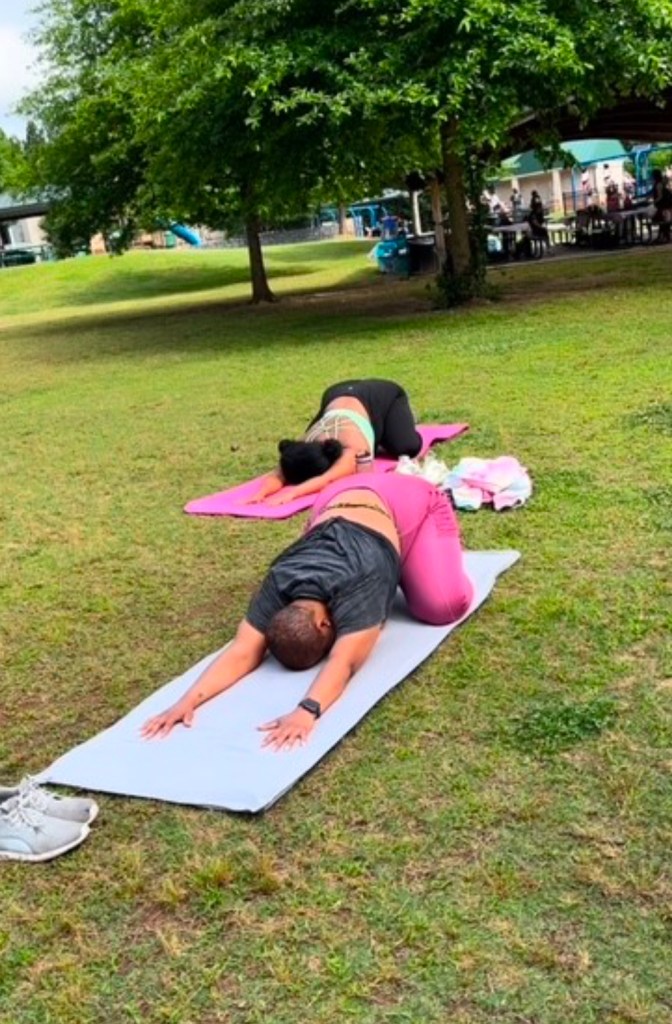
So, how do you, as a coach, empower Black women to take control of their wellness and create a life they love?
“On a daily basis, IRL & on social media (I’m working on it, lol), I consider my courage to live in my purpose & the light I bring as a result to be an example in real time. To show it’s possible & accessible for us. Sometimes we don’t know a thing exists within our reach until we see it. I’m realizing now that I literally live my life being the change I want to see in the world.
I wanted our children to see more examples of successful Black people for the culture outside of athletes & celebrities. I became an educator in our community. I want more Black women to live authentically, create lives of fulfillment & joy. I became one. I want Black women to have access to holistic healing, health, and wellness. I became a Liberation & Wellness coach & yoga instructor.
On a more personal level, when it comes to working with me, it’s about peeling back the layers and removing all the falsehoods that made you believe you weren’t in control in the first place.
Of course, there are tools, habits, mindset, etc. But it’s about exploring and building in a safe and encouraging space; it’s about rediscovering all that you are and fostering a peaceful internal landscape so then you can confidently adjust your external landscape to reflect that. Joy, abundance, purpose—that’s your birthright. If there are a million reasons holding you back, I have a million and one for you to push forward.”
How do you help your clients create personalized self-care routines that cater to their specific needs and lifestyles?
“Similar to Black women and yoga, self-care has been commodified and commercialized. It’s synonymous with this luxury aesthetic that I think, for a lot of Black women, feels frivolous and wasteful; especially those of us who are overwhelmed, stressed, mothering, taking care of others, and all the things.
We need to demystify self-care. It’s not all retreats, vacations, and spa days. At its core, self-care is about making the act of spending time with and taking care of yourself a priority. I also believe self-care is personal; how could it not be when it’s about the self, the individual? Our time is better spent getting to know ourselves so we can create our own blueprint, not follow someone else’s.
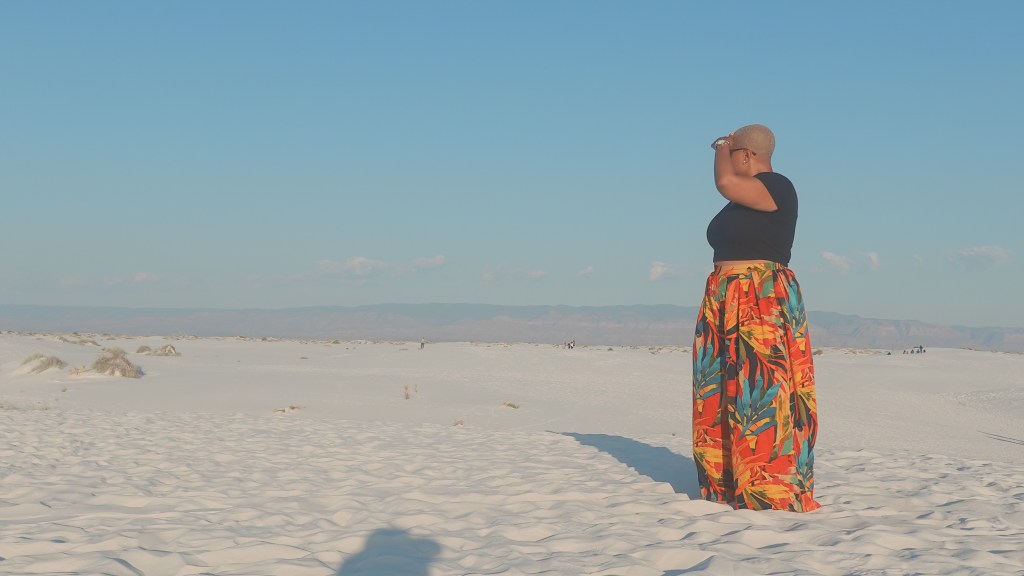
An essential part of my coaching is rooted in self-discovery and core value analysis. I also encourage clients to explore what they like and enjoy. The process contains a certain amount of freedom and play. Then we build their practice around that.
Because there’s no one size fits all, I believe in what I call an ecosystem of self-care: 3-5 practices that build on and support each other. For one client, their ecosystem might consist of gardening, cooking, and creating recipe books. Another might build their system around hiking, meditating, journaling, photography, and painting. I will say the benefits of journaling are unmatched, and I recommend everyone include it in their routine.”
What are the key principles and techniques you use to guide your clients through their healing journey?
“I founded my LLC and coaching practice on three fundamental notions:
The first being, the creation and safeguarding of spaces that prioritize and elevate Black women’s voices so they may engage in wellness out loud and forsake suffering in silence.
Second, Black women are worthy and deserving of rest, relaxation, and self-care.
And last, womanist scholar Layli Maparyan’s vision of Luxocracy:
Luxocracy = Rule by Light.
Light meaning Divine light, the inner light in all of us.
In her works, Maparyan asks:
“What if we put spirituality at the center of human life? And, What would be the impact on all facets of the human experience as a result of this reprioritization of inner light, soul, god within?”
I believe we are all experts on ourselves; we have all we need. The healing journey is about returning home to our most authentic self. The journey requires introspection, unlearning, self-awareness, patience, support, encouragement, and for many of us, guidance.
The most powerful intervention isn’t just about fixing what’s broken; it’s about
illuminating the inherent brilliance that’s always been present—waiting to be recognized, celebrated, and unleashed.
In working with clients, one of my primary concerns is holding space as the container in which you can do the work of peeling back the layers, analyzing the patterns, shedding habits that no longer serve you, increasing self-awareness, rediscovering the parts you abandoned, and aligning.
On my part, that entails active listening, fostering open communication sans judgment, constructive feedback, accountability, encouragement, reflection, and support. To quote what a good friend said to me recently, “I just want you to know that you’re heard, seen, acknowledged, and supported.”
That’s what it’s about for me. Healing can be intense, trying, and even lonely. I value Black women, and my hope is to promote a growth mindset, facilitate self-awareness, and encourage empowerment.”
How do you envision your work impacting the Black community beyond your one-on-one coaching sessions?
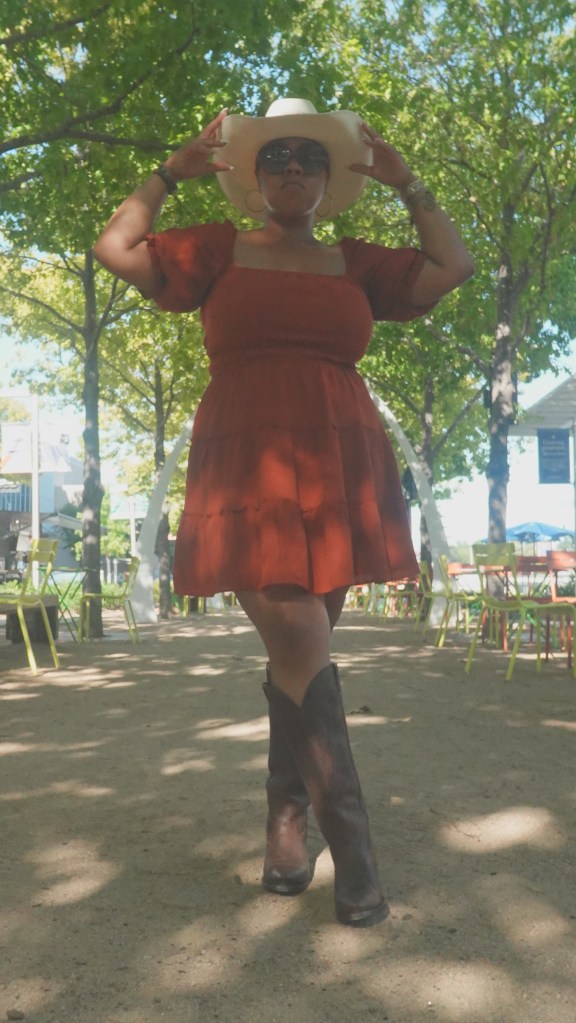
“Pushing the needle forward in the pursuit of freedom, happiness, holistic healing, health, and wellness for my people. I think about the fact that in my six years as an educator (middle & high school), I impacted around 1,200 lives directly. And then I think about the few teachers who had a hand in shaping my worldview. Like my 8th-grade English teacher Ms. Edwards, a Black woman who made sure I was moved to honors classes after I was placed in general education since I was a transfer student.
Not only did she have an impact on me directly, but her impact also touched the 1,200 children I served as an ELA teacher, Gay Straight Alliance club sponsor, and IB essay advisor. What happens if the majority of those 1,200 go out into the world and positively impact others in various ways?
I mention this because for me, my coaching, teaching, business, and life are all intertwined in my purpose, which boils down to freedom for my people in all areas of life & ultimately the complete dismantling of systems of oppression and domination. Everything I do can be linked back to that; it’s my why.”
Are there any future projects or initiatives you’re working on to further support the wellness and empowerment of Black women?
“Outside of 1:1 coaching, I’m in the process of creating a program for Black millennial women who’ve done all the things—the degrees, the careers, family—and still feel empty and unfulfilled. I think our generation realized the system lied to us, but navigating a way through starting over or figuring out what we truly need can be tough.
I’ve also recently joined the board of Mental Black Moms, a nonprofit organization dedicated to addressing the unique mental health challenges faced by Black mothers and caregivers. We prioritize wellness, community, education, and empowerment, and my podcast is set to air at the start of 2025. Maybe sooner.”
Last, what advice would you give to aspiring coaches who are passionate about helping Black women?
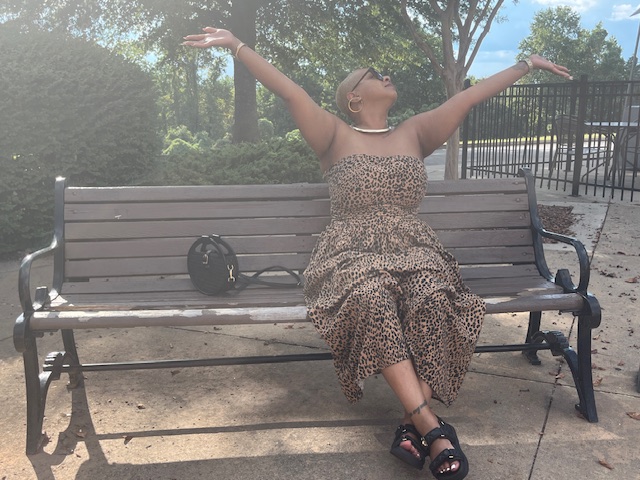
“Do it. Allow it to unfold. Trust your timing & process. I know sometimes we feel like “who am I to do this? I’m still working on me.” or we feel the need to wait until we are completely polished & have all the pieces together to show up. Just show up, and do so authentically. If you feel called, answer. There’s a real shift, and I feel healers, guides, and leaders are being called forth.
Also, don’t be afraid to ask questions, to fail, and to use the resources available. As an intellectual and a scholar who has spent a lot of time in academia, for the longest time I felt like AI was cheating. I also had this idea that as a solopreneur I had to do everything myself. I’ve recently started using AI like a personal assistant. Game changer.”
Wow! Coach Jae, this is incredibly powerful and transformational information here, and I am so grateful that you have shared this information with me today. Thank you for giving me the opportunity to learn more about your journey and your practice. If anyone reading this is interested in working with you, how can they find you?
“Thank you, Coach Dee, for sitting down with me. I’ve enjoyed our talk! If anyone is interested in working with me, they can reach out to me on Instagram at _Jae.Lux“
Coach Jae Lux is a visionary wellness coach and yoga instructor dedicated to empowering Black women. With a Master’s degree in Africana Women’s Studies, Jae brings a unique perspective to her work, understanding the complex challenges faced by Black women. Her personal journey, marked by resilience and self-discovery, has inspired her to help others heal from trauma, reconnect with their bodies, and create lives filled with purpose and joy.
Through her coaching practice, Jae empowers Black women to break free from societal expectations and embrace their authentic selves. By combining somatic movement, mindfulness techniques, and a deep understanding of intergenerational trauma, she guides her clients on a transformative journey toward self-love, healing, and empowerment.
Ready to embark on your own healing journey? Schedule a discovery call with Coach Jae Lux today to explore how she can help you unlock your full potential.


Leave a Reply